
Marketing development gives a business a structured way to build recognition, reach the right audience and turn marketing activity into measurable progress. It connects research, branding, websites, SEO, content, social media, video and paid campaigns around defined goals.
Rather than treating each channel as a separate task, it creates one connected direction. The brand knows what it represents, who it needs to reach and how each platform contributes to growth.
For Sultan Group of Companies, Sultan Marketing applies this approach across the Group’s companies and projects. Each entity keeps its own character while remaining connected with the wider Sultan identity.
What Is Marketing Development?
Marketing development is the process of building and improving the overall marketing direction of a business. It starts with research and planning, then connects brand positioning, digital platforms, content and promotion with specific objectives.
Marketing focuses on activities such as campaigns, advertisements, social posts and content. Marketing development creates the strategy behind those activities.
It answers important questions:
- Who does the business need to reach?
- What should the brand communicate?
- Which channels suit the audience?
- What type of content is required?
- How will results be measured?
This gives every campaign a defined purpose, whether the goal is awareness, website traffic, project promotion or enquiries.
Why Sustainable Growth Needs More Than Promotion
Promotion can attract attention, but lasting growth requires more than short-term visibility.
A business needs a recognisable brand, useful information and a consistent presence across its main platforms. It also needs a way to measure what works.
| Marketing Area | Main Purpose | Value for Growth |
|---|---|---|
| Brand identity | Builds a recognisable presence | Improves recall and trust |
| Audience research | Identifies interests and needs | Makes communication more relevant |
| Website and SEO | Organises information for search | Improves online discovery |
| Content | Explains subjects and answers questions | Helps audiences understand the brand |
| Social media | Maintains regular visibility | Expands awareness and engagement |
| Paid campaigns | Promotes selected messages | Drives focused reach and enquiries |
| Performance review | Measures response | Guides future decisions |
These areas become more effective when they work together. A campaign performs better when its message matches the website. Content becomes more useful when it reflects real search intent.
A Strong Foundation Starts with Three Decisions
Good marketing begins before the first design or campaign is created.
Understand the Right Audience
Audience research shows what people want to know, what interests them and where they look for information.
Once the audience is defined, content becomes more relevant. Campaign targeting also becomes more focused because the business is no longer trying to speak to everyone in the same way.
Define the Brand Position
Brand positioning explains what a business represents and how it wants to be recognised.
It includes purpose, values, strengths and the experience linked with the brand. This gives designers, writers and campaign teams a common direction.
The format can change from a website to a video or social post, but the brand still feels familiar.
Set a Measurable Goal
Every marketing activity needs a clear purpose.
Common goals include:
- Improving brand awareness
- Increasing search visibility
- Attracting website visits
- Increasing engagement
- Supporting project launches
- Generating enquiries
A defined goal guides the message, audience, budget and channel. It also gives the team a practical way to review performance.
Brand Recognition and Digital Visibility Work Together
A strong brand still needs to be found online. At the same time, high visibility has limited value when the brand looks inconsistent.
Marketing development connects recognition with reach.
Build a Recognisable Brand Presence
Brand identity includes logos, colours, typography, imagery, tone and language.
Consistent use of these elements helps people recognise a business across different platforms.
However, consistency does not mean making every company look the same. Different businesses serve different purposes.
Within a diverse group, each entity needs its own character while following professional standards linked with the wider organisation.
Make the Website Easy to Find and Use
A website is often the main source of detailed information about a business or project.
Descriptive headings, focused pages, logical navigation and internal links make information easier to find.
SEO strengthens this structure. Relevant keywords, metadata and useful content help search engines understand each page while making the information more accessible to users.
Good SEO focuses on answering the search properly rather than repeating the same keyword unnecessarily.
Match Content with the Platform
Different channels perform different roles.
Blogs explain detailed subjects. Social media delivers shorter updates. Video combines visual and spoken communication. Paid campaigns extend selected messages to targeted audiences.
The format changes, but the information and brand character should remain consistent.
Turning Attention into Action
People often discover a brand through search, social media, advertising or video. From there, they usually move to a website or landing page for more information.
That journey needs to feel connected.
The first message introduces the subject. The webpage explains it in greater detail. Relevant content answers questions, while the call to action shows what comes next.
Performance data then reveals how people respond.
Search rankings, website traffic, engagement and enquiry data show which topics attract interest and which areas need improvement. Future decisions can then rely on actual results rather than assumptions.
How Sultan Marketing Develops Group Brands and Projects
Sultan Marketing is the marketing subsidiary supporting the companies and projects of Sultan Group of Companies.
Its work covers branding, website content, SEO, social media, creative design, video production and paid campaigns.
However, every Group entity requires a different approach.
A property project needs organised information about its location, features and purpose. A legal business requires accuracy and professional authority. Architecture and design depend heavily on visual presentation, while a welfare initiative needs careful communication around its social purpose.
The same principle applies to individual projects.
Sultan Tower, Qurtaba City, The Square Islamabad and Sultan Villas each have their own setting, audience and identity. Their marketing therefore needs to reflect those differences.
Sultan Marketing develops the public presentation of each entity while keeping the wider Group connection recognisable.
This allows every company or project to communicate its own value without losing the professional standards associated with the Sultan name.
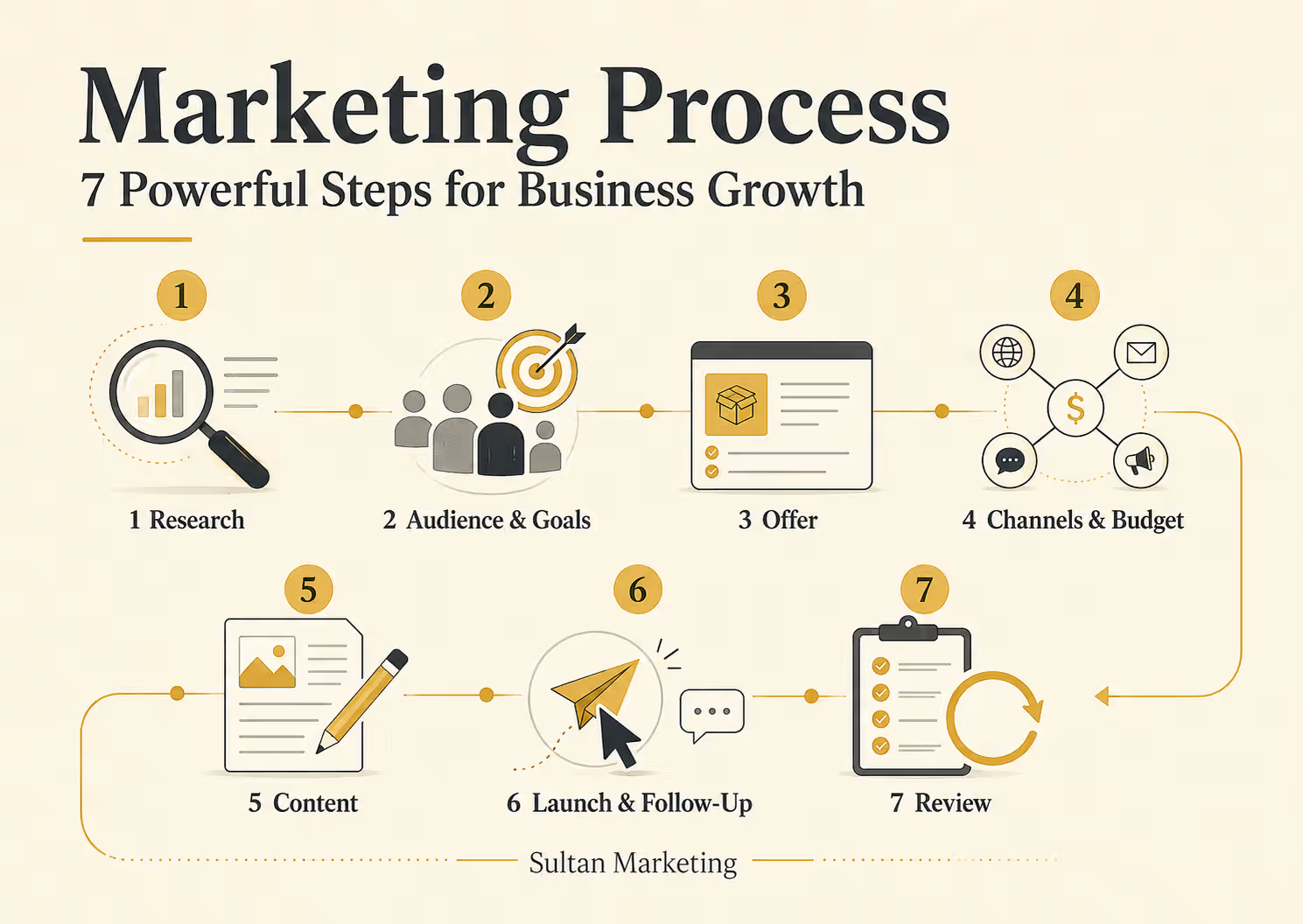
The Marketing Development Process
A defined process keeps strategy, creative work and performance review connected.
1. Review the Current Position
The first step examines the existing brand, website, content, search presence and audience response.
This shows what already works and where improvement is needed.
2. Define the Objective
The next stage sets the result the business, project or campaign needs to achieve.
Without a defined objective, performance becomes difficult to measure.
3. Plan the Direction
The team then decides the audience, message, content themes, channels and performance measures.
This keeps the campaign focused from the beginning.
4. Create the Material
Designs, website pages, articles, social content, videos and advertisements are produced around the approved strategy.
Each format is created for the role it needs to perform.
5. Publish with Purpose
Content is placed on the channels where it is most useful.
Detailed search questions belong on informative webpages. Visual updates suit social platforms, while selected campaigns can use paid promotion for greater reach.
6. Measure and Refine
Performance data shows how the audience responds.
Strong results guide future work, while weaker areas can be adjusted. Marketing development therefore becomes an ongoing process rather than a one-time plan.
How Marketing Development Adds Business Value
A well-organised marketing system makes brand information easier to manage and keeps public communication consistent.
Teams can plan content around defined themes instead of producing disconnected material. Campaign budgets can focus on specific audiences and objectives.
This becomes even more important when several companies or projects operate under one Group.
Without a shared marketing direction, information can become inconsistent across websites, social media and campaigns.
A structured approach keeps strategy, content and brand presentation aligned while allowing each entity to maintain its own purpose and style.
Key Takeaways
- Marketing development creates the strategy behind marketing activities.
- Audience research, brand positioning and measurable goals form the foundation.
- Brand recognition and digital visibility work best together.
- Websites, SEO, content, social media, video and paid campaigns serve different roles.
- Performance data helps improve future decisions.
- Sultan Marketing applies this approach across Sultan Group companies and projects.
- Each entity keeps its own identity while remaining connected with the wider Group.
Frequently Asked Questions
What is the main purpose of marketing development?
Marketing development creates an organised system for audience research, branding, content, digital visibility, promotion and performance measurement. It gives marketing activities a common direction.
How is marketing development different from marketing?
Marketing includes the activities used to promote a business, service or project. Marketing development builds the research, strategy, positioning and processes that guide those activities.
How does marketing development support sustainable growth?
It creates a structure that improves over time. Brand recognition, search visibility, useful content and performance analysis work together instead of depending on one short campaign.
Why is digital visibility important?
Digital visibility helps people discover relevant information online. A well-organised website, useful content and focused SEO make a brand easier to find and understand.
What role does Sultan Marketing play within Sultan Group of Companies?
Sultan Marketing manages marketing activities for Sultan Group companies and projects. Its work includes branding, websites, SEO, content, social media, creative design, video and paid campaigns while maintaining the individual character of each entity.
Building a Stronger Marketing Direction
Sustainable growth requires more than regular promotion. A business needs a recognisable presence, relevant information, organised digital channels and measurable results.
Marketing development brings these elements together.
Through Sultan Marketing, Sultan Group of Companies maintains a structured marketing direction across its companies and projects while allowing each entity to present its own purpose and character.